
ChatGPT ads are coming in 2026: Why your brand needs to prepare now




The signals are getting harder to ignore. Between leaks, partner announcements and OpenAI’s own financial targets, it's becoming increasingly clear that ChatGPT Ads are on the horizon.
The question is no longer "will ChatGPT have ads?" but "what will advertising on ChatGPT actually look like?" and "how should brands position themselves now?"
I've trawled through countless articles, LinkedIn posts and Open AI press releases so you don't have to. Below is everything my fellow marketers and business owners need to know about ChatGPT ads.
Why ChatGPT ads make sense
ChatGPT isn't profitable. Not yet. Open AI has said that it will become profitable by 2029. How?
Internal documents reported in mid-2025 show OpenAI planning $1B in "free user monetisation" starting in 2026, growing up to $25B by 2029. At that scale, advertising is the only realistic lever, beyond subscriptions and add ons.
Separate reporting says OpenAI expects $20B annualised revenue by end of 2025, with up to 20% coming from new "shopping and advertising-related features".
OpenAI's own revenue targets assume a big ad and commerce play, even if the specific details haven’t been officially announced yet.
The groundwork for ChatGPT advertising is there
Across the product ecosystem, there's a clear pattern: each new feature conveniently creates room for sponsored placements, paid discovery, or commerce.
1. In-chat shopping & checkout
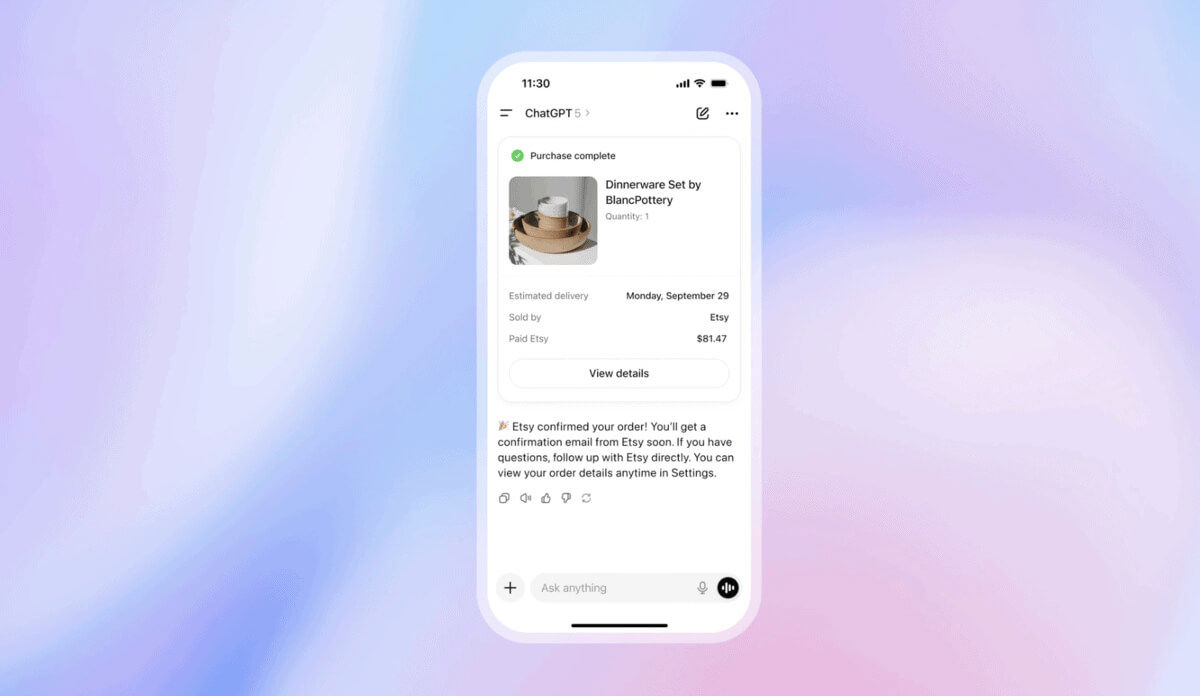
OpenAI has been testing built-in checkouts so users can buy products inside ChatGPT. OpenAI will take a commission on those sales, according to the Financial Times.
Partnerships with Shopify, Etsy (via Stripe) and most recently Walmart enable "chat and buy" flows where users can discover products, get advice, and complete purchases without leaving ChatGPT (AP News).
That makes ChatGPT a front-end shopping assistant, with OpenAI as the transaction layer. Once you have that, "sponsored products" or "featured offers" are a very small step.
2. Apps and SDK
OpenAI released apps in ChatGPT plus an Apps SDK, essentially turning ChatGPT into its own mini-ecosystem / app store, with future monetisation built in (commerce and paid apps).
3. Atlas
In the product roadmap for ChatGPT Atlas (OpenAI's browser with ChatGPT baked-in), Open AI states "better discovery for apps and ways for developers to increase visibility of their apps in Atlas".
That sounds like ad inventory to me...
Think formats like promoted apps, higher visibility placements, sponsored actions. Very similar to "Top of search" slots in app stores.
4. ChatGPT Pulse and Sponsored Content
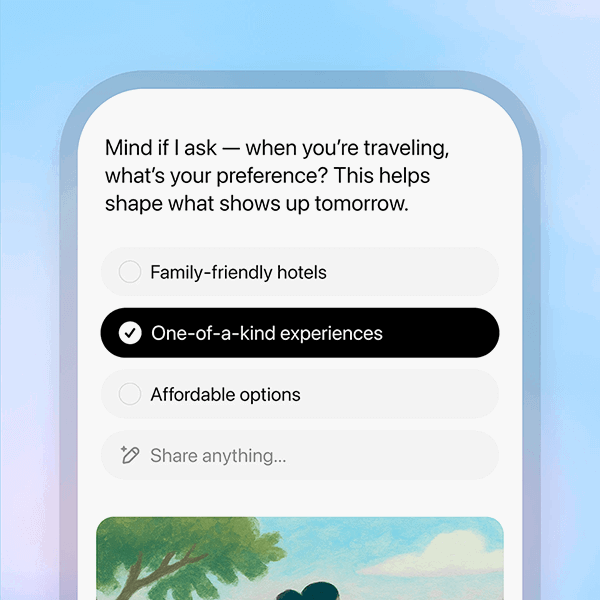
Some articles on ChatGPT Pulse (a personalised, proactive content feed for highest tier users) point out it is as an ideal vehicle for sponsored content or promoted stories, because it already looks like a news/insight feed powered by user context.
If Pulse becomes widely available, ads could show up as sponsored tiles or recommendations within that feed.
5. Content licensing and inventory
OpenAI has cut deals with a long list of publishers (News Corp, Vox, FT, Future, Guardian Media Group, etc.) to show their content with attribution inside ChatGPT (The Verge).
This gives OpenAI trusted, brand-safe content and naturally - a content surface where sponsored placements can live and be seen by a large and growing number of people.
What will ChatGPT ads look like?
Based on OpenAI's behaviour, partner activity, leaked documents and how other platforms evolved, here's what ChatGPT advertising campaigns could look like.
Sponsored answers
A user might ask:
"Best mobile physiotherapist near me"
Alongside the organic response, a clearly labelled "Sponsored Answer" would appear. This will probably feel more subtle than traditional PPC ads, but conceptually similar.
Sponsored product recommendations
Product-led queries ("best laptops under $2k") could include sponsored results, combined with built-in checkout options. Think Google Shopping but within ChatGPT results.
Sponsored apps or tools
As the app ecosystem grows, brands may be able to buy:
- Higher placement in app directories
- Contextual prompts like "Would you like to use the Lemonade booking tool for planning your trip?"
Sponsored tiles in Pulse
Pulse could behave like a curated newsfeed showing:
- Branded insights
- Advertorials
- Sponsored stories
Sponsored agents
This is the most native and likely the most powerful format:
- "Talk to the Nike running coach"
- "Speak with the Qantas trip planner"
If OpenAI wants to avoid eroding trust, these conversational experiences are the safest form of monetisation.
What we won't see (hopefully)
I can't see formats such as traditional banner ads, invasive pop-ups or in-your-face display units being rolled out. But then again, anything could happen between now and the launch of ChatGPT advertising.
What Sam Altman has said publicly
Open AI's CEO, Sam Altman, has been deliberately cautious when speaking on the topic of monetisation and ads. He's acknowledged there are advertising models that would be "very bad" and others that could be "pretty good." He's also confirmed they'll experiment with ads at some point.
OpenAI's public focus remains:
- Enterprise revenue
- API usage
- Subscriptions
- Commerce commissions
But the financial targets make it clear that ads are definitely coming.
ChatGPT Ads vs. Google Ads
ChatGPT is projected to surpass 2.6 billion weekly users by 2030 (Reuters). That sounds impressive. Which it is.
But it’s important to highlight that Google still maintains a near-monopoly on information discovery, currently serving billions of active users and processing over 95 billion searches every week which is more than 90% of the global search market.
Google isn’t going to be taken out of your brand’s digital marketing mix just yet. Not for a while.
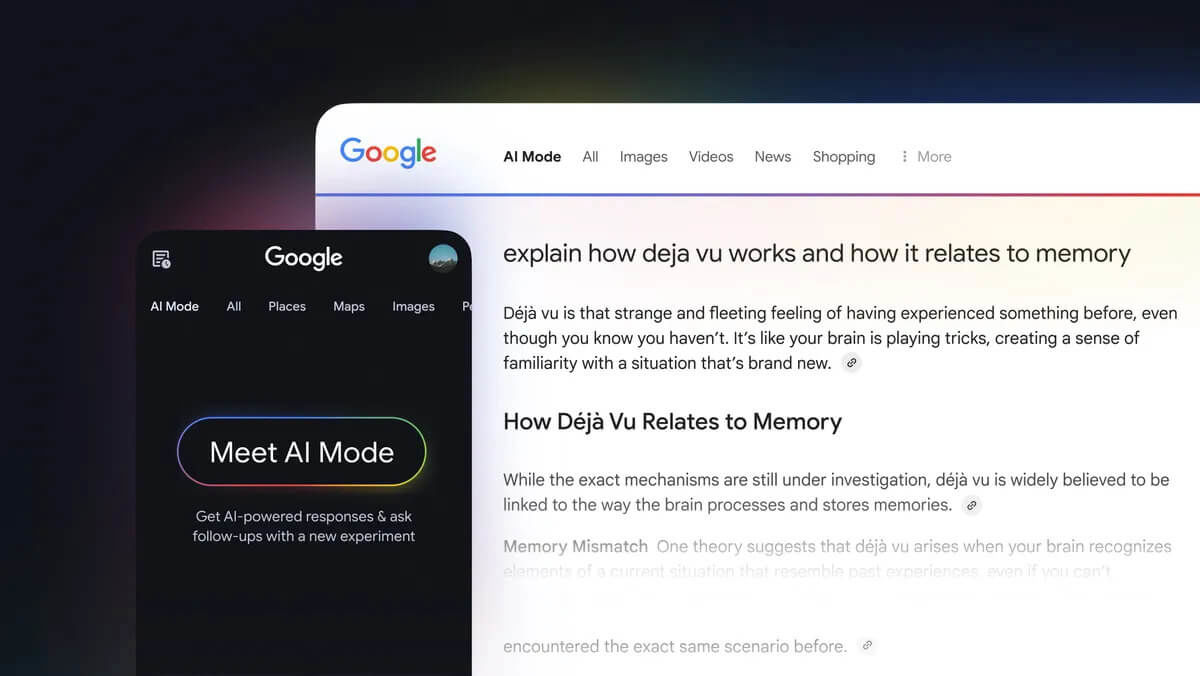
However, industry experts suggest that generative AI like ChatGPT is set to replace this traditional search engine model.
Of course, Google is responding directly to its competitors with the rollout of AI Overviews and AI Mode (essentially Google's own version of ChatGPT), merging search and conversational assistance.
We're heading into a world where discovery, evaluation, comparison and purchases will happen in self-contained ecosystems. Whether that's ChatGPT, Google or another brand, it seems to be the direction we are moving toward.
Brands will need strong entity signals, perfectly executed SEO fundamentals, multi-channel marketing mixes, clear workflows, and widespread organic visibility.
Key risks marketers should keep in mind
As exciting as all of this is, there are still some big unknowns that marketers need to keep in mind.
Trust vs. monetisation
ChatGPT's biggest value today is trust. If users start to feel that answers are nudged, biased, or overly influenced by advertisers, that credibility erodes fast. This is the tightrope OpenAI has to walk.
Disclosure and labelling
If sponsored responses do roll out, expect strong disclosure requirements. "Sponsored", "Promoted", and likely side-by-side organic answers. Anything less risks backlash and regulatory heat on Open AI. But then again, anything can happen…
Measurement and attribution
Traditional performance metrics don't translate cleanly into conversational environments. Instead, we'll see new measurement frameworks emerge, including:
- Assisted conversations
- Purchases per suggested action
- Contribution across multi-step chat histories
This won't behave like Google Ads or Meta Ads. We'll be measuring influence within dialogue, not isolated clicks.
Regulation and fairness
LLM-driven ad products will naturally attract scrutiny around transparency, personalisation, and fairness. The more personalised the conversation, the higher the bar for compliance and accountability.
What brands should do now
Clarify your Entity Layer
Make sure your brand is machine-readable, everywhere. That means:
- Clean name, address and phone number (NAP) data
- Consistent brand story and services
- Strong schema markup on your website and all possible information types
- Unique, clear value propositions
This is foundational for both AI-driven search and traditional SEO, and the two now work hand-in-hand.
Build AI-Friendly Content
LLMs prefer clarity. Create content that answers:
- Comparisons
- Objections
- Suitability
- Pricing
- Location-specific considerations
Upgrade Measurement
Start monitoring:
- Branded citations across all major LLMs (ChatGPT, Claude, Gemini etc.)
- AI visibility metrics (e.g. Semrush LLMRefs)
- Emerging "chatgpt.com / ref" traffic in GA4 or Analytics platforms
Plan Test Budgets for 2026
If early betas launch, they will prioritise:
- Enterprise
- High-spend brands
- Agencies with experimentation processes
Australia will likely get access slightly later than the US, but we’ll be following this closely.
Summary
All signs point to ChatGPT Ads launching in 2026. The infrastructure is already visible: in-chat checkout, app monetisation, Pulse, Atlas and major publisher deals.
These ads won't look like traditional digital advertising. Expect conversational placements, sponsored answers, sponsored agents, and integrated product recommendations. Subtle, contextual, and woven deeper into the user experience than today's search ads.
If you want to get a first mover advantage on your competition and prepare for AI search and ads, make sure you:
- Tidy your entity signals
- Build AI-friendly content
- Refine your product clarity
- Establish measurement foundations
- Set aside early-testing budgets
Brands who prepare now are ready for success in 2026 and beyond. Those that don't will likely be leaving a large share of sales, leads and customers on the table for competitors to snatch up.
If this all sounds too much of a headache, Lemonade can help you build a comprehensive strategy to future-proof your brand for AI search and confidently secure the first-mover advantage in this new ecosystem.


